
Why Is The Ethiopian Calendar 7 Years Behind - Why ethiopia is 7 years behind: The calendar is used for religious practices, official purposes, business, education, and cultural identity in ethiopia. Ethiopia is known for having a calendar that runs about 7 years behind the gregorian calendar that most of us use daily. The ethiopian calendar follows the alexandrian or coptic tradition, which places christ's birth later than the calculations made by the gregorian calendar. Ethiopia’s unique calendar, the ge’ez calendar,. Ethiopia, a country free of any colonial powers and influences of the roman church, was not affected by the tides, and easily retained its original calendar, which claims that jesus was born in 7 bc, and started counting days from that year on. And how does that work for ethiopians living on an. The ethiopian calendar is behind by seven to eight years due to differences in the calculation of the birth year of jesus christ. The ethiopian calendar currently lags behind the gregorian calendar by 7 years and will remain so until the julian calendar year 2099, which corresponds to the gregorian calendar year 2107. Unveiling the mysteries of the ethiopian calendar.

Why Is the Ethiopian Calendar 7 Years Behind?
And how does that work for ethiopians living on an. This difference in years is due to variances in interpretation and calculation. Why ethiopia is 7 years behind: The calendar is used for religious practices, official purposes, business, education, and cultural identity in ethiopia. The ethiopian calendar is about seven to eight years behind the gregorian calendar due to different.

🎉 Why is ethiopian calendar behind by 7 years. The Ethiopian new year has arrived, but the real
The ethiopian calendar is behind by seven to eight years due to differences in the calculation of the birth year of jesus christ. Ethiopia is known for having a calendar that runs about 7 years behind the gregorian calendar that most of us use daily. So why is ethiopia, africa’s second most populous country, seven years and eight months “behind”.

Here is why Ethiopian Calendar is 7 years behind YouTube
The ethiopian calendar is about seven to eight years behind the gregorian calendar due to different interpretations of biblical chronology, influence of early church fathers, and julian calendar basis. Ethiopia’s unique calendar, the ge’ez calendar,. Unveiling the mysteries of the ethiopian calendar. The calendar is used for religious practices, official purposes, business, education, and cultural identity in ethiopia. The ethiopian.

Why Ethiopian Calendar Is 7 Years Behind prntbl.concejomunicipaldechinu.gov.co
This difference in years is due to variances in interpretation and calculation. The ethiopian calendar is behind by seven to eight years due to differences in the calculation of the birth year of jesus christ. The calendar is used for religious practices, official purposes, business, education, and cultural identity in ethiopia. The ethiopian calendar follows the alexandrian or coptic tradition,.

Year Ethiopian Calendar Now Month Calendar Printable
So why is ethiopia, africa’s second most populous country, seven years and eight months “behind” much of the rest of the world? In this post, we’ll dive into. Ethiopia is known for having a calendar that runs about 7 years behind the gregorian calendar that most of us use daily. The ethiopian calendar is behind by seven to eight years.

Why Is The Ethiopian Calendar 7 Years Behind
Ethiopia, a country free of any colonial powers and influences of the roman church, was not affected by the tides, and easily retained its original calendar, which claims that jesus was born in 7 bc, and started counting days from that year on. The ethiopian calendar follows the alexandrian or coptic tradition, which places christ's birth later than the calculations.
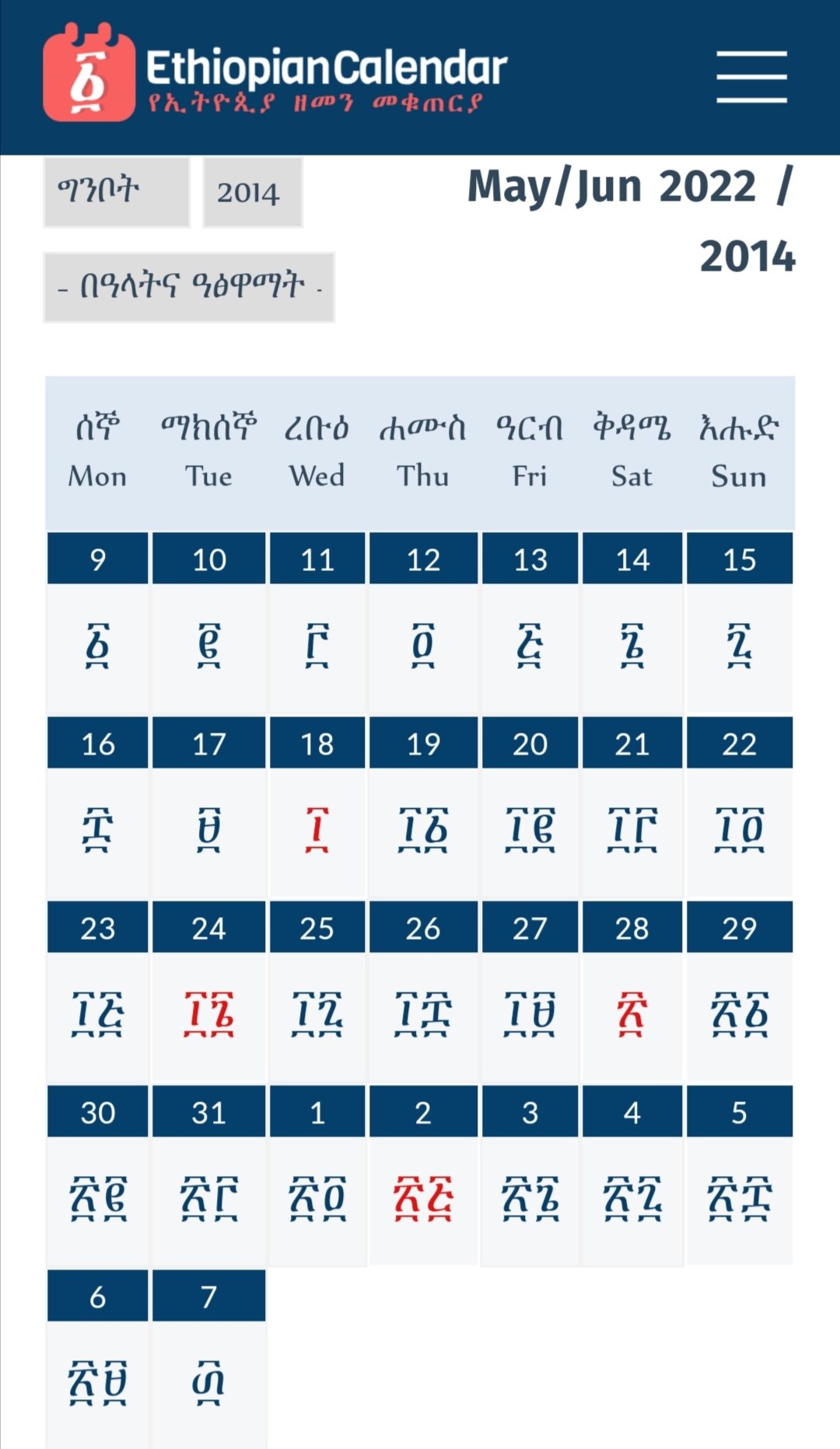
Why Is Ethiopian Calendar Behind By 7 Years Brena Clareta
Unveiling the mysteries of the ethiopian calendar. The ethiopian calendar currently lags behind the gregorian calendar by 7 years and will remain so until the julian calendar year 2099, which corresponds to the gregorian calendar year 2107. And how does that work for ethiopians living on an. The calendar is used for religious practices, official purposes, business, education, and cultural.

13 MONTHS IN YEAR Ethiopian I Calendar all you need to know... FUN FACT The Ethiopian calendar
The ethiopian calendar is behind by seven to eight years due to differences in the calculation of the birth year of jesus christ. The ethiopian calendar is about seven to eight years behind the gregorian calendar due to different interpretations of biblical chronology, influence of early church fathers, and julian calendar basis. Ethiopia’s unique calendar, the ge’ez calendar,. The ethiopian.

Why Is Ethiopian Calendar Behind By 7 Years? The History, Significance, And Unique Features
The ethiopian calendar is behind by seven to eight years due to differences in the calculation of the birth year of jesus christ. In this post, we’ll dive into. The ethiopian calendar follows the alexandrian or coptic tradition, which places christ's birth later than the calculations made by the gregorian calendar. The ethiopian calendar currently lags behind the gregorian calendar.

Ethiopian Calendar Understanding Unique Timekeeping
This difference in years is due to variances in interpretation and calculation. In this post, we’ll dive into. The ethiopian calendar follows the alexandrian or coptic tradition, which places christ's birth later than the calculations made by the gregorian calendar. The calendar is used for religious practices, official purposes, business, education, and cultural identity in ethiopia. So why is ethiopia,.
Why ethiopia is 7 years behind: The ethiopian calendar is behind by seven to eight years due to differences in the calculation of the birth year of jesus christ. Ethiopia’s unique calendar, the ge’ez calendar,. Unveiling the mysteries of the ethiopian calendar. The ethiopian calendar currently lags behind the gregorian calendar by 7 years and will remain so until the julian calendar year 2099, which corresponds to the gregorian calendar year 2107. In this post, we’ll dive into. The calendar is used for religious practices, official purposes, business, education, and cultural identity in ethiopia. Ethiopia, a country free of any colonial powers and influences of the roman church, was not affected by the tides, and easily retained its original calendar, which claims that jesus was born in 7 bc, and started counting days from that year on. This difference in years is due to variances in interpretation and calculation. So why is ethiopia, africa’s second most populous country, seven years and eight months “behind” much of the rest of the world? The ethiopian calendar follows the alexandrian or coptic tradition, which places christ's birth later than the calculations made by the gregorian calendar. The ethiopian calendar is about seven to eight years behind the gregorian calendar due to different interpretations of biblical chronology, influence of early church fathers, and julian calendar basis. Ethiopia is known for having a calendar that runs about 7 years behind the gregorian calendar that most of us use daily. And how does that work for ethiopians living on an.
In This Post, We’ll Dive Into.
Ethiopia’s unique calendar, the ge’ez calendar,. The calendar is used for religious practices, official purposes, business, education, and cultural identity in ethiopia. Why ethiopia is 7 years behind: The ethiopian calendar currently lags behind the gregorian calendar by 7 years and will remain so until the julian calendar year 2099, which corresponds to the gregorian calendar year 2107.
Unveiling The Mysteries Of The Ethiopian Calendar.
And how does that work for ethiopians living on an. The ethiopian calendar is about seven to eight years behind the gregorian calendar due to different interpretations of biblical chronology, influence of early church fathers, and julian calendar basis. The ethiopian calendar is behind by seven to eight years due to differences in the calculation of the birth year of jesus christ. So why is ethiopia, africa’s second most populous country, seven years and eight months “behind” much of the rest of the world?
Ethiopia Is Known For Having A Calendar That Runs About 7 Years Behind The Gregorian Calendar That Most Of Us Use Daily.
Ethiopia, a country free of any colonial powers and influences of the roman church, was not affected by the tides, and easily retained its original calendar, which claims that jesus was born in 7 bc, and started counting days from that year on. This difference in years is due to variances in interpretation and calculation. The ethiopian calendar follows the alexandrian or coptic tradition, which places christ's birth later than the calculations made by the gregorian calendar.