
Chinese Lunar Calendar History - The influence of yin and yang in chinese culture played a significant role in the development of this calendar. According to historical records and several other chinese literary works, the chinese lunar calendar was developed between 771 bc and 476 bc, during the spring and autumn season of the eastern zhou dynasty. It consists of 12 months of alternately 29 and 30 days, equal to 354 days. The chinese originally split the year into two seasons spring 春 chūnand autumn 秋 qiū (hence the name ' spring and autumn period '). This chinese lunar calendar guide talks about the theory of the chinese lunar calendar, chinese lunar leap month, the history. The start of the chinese lunar year 年 nián is at the spring festival or chinese new year, timed as the second new moon after the winter solstice. The chinese lunar calendar has a rich history that can be traced back to early astronomical observations. In the ancient chinese lunar calendar, each month began on the day of a new moon, with an additional day added from time to time, to catch.

Get To Know The Chinese Lunar Calendar Chinese Graphic, Chinese Prints, Horoscope Signs Dates
The influence of yin and yang in chinese culture played a significant role in the development of this calendar. The chinese lunar calendar has a rich history that can be traced back to early astronomical observations. The start of the chinese lunar year 年 nián is at the spring festival or chinese new year, timed as the second new moon.

lunar calendar in china Son Of China
In the ancient chinese lunar calendar, each month began on the day of a new moon, with an additional day added from time to time, to catch. This chinese lunar calendar guide talks about the theory of the chinese lunar calendar, chinese lunar leap month, the history. The influence of yin and yang in chinese culture played a significant role.

Ancient Chinese Tai Chu Calendar Was Defined By Emperor Han Wu Ancient Pages
The start of the chinese lunar year 年 nián is at the spring festival or chinese new year, timed as the second new moon after the winter solstice. It consists of 12 months of alternately 29 and 30 days, equal to 354 days. According to historical records and several other chinese literary works, the chinese lunar calendar was developed between.

Chinese Lunar Calendar
The chinese originally split the year into two seasons spring 春 chūnand autumn 秋 qiū (hence the name ' spring and autumn period '). According to historical records and several other chinese literary works, the chinese lunar calendar was developed between 771 bc and 476 bc, during the spring and autumn season of the eastern zhou dynasty. This chinese lunar.

How Does Chinese Lunar Calendar Work
In the ancient chinese lunar calendar, each month began on the day of a new moon, with an additional day added from time to time, to catch. The chinese originally split the year into two seasons spring 春 chūnand autumn 秋 qiū (hence the name ' spring and autumn period '). The chinese lunar calendar has a rich history that.
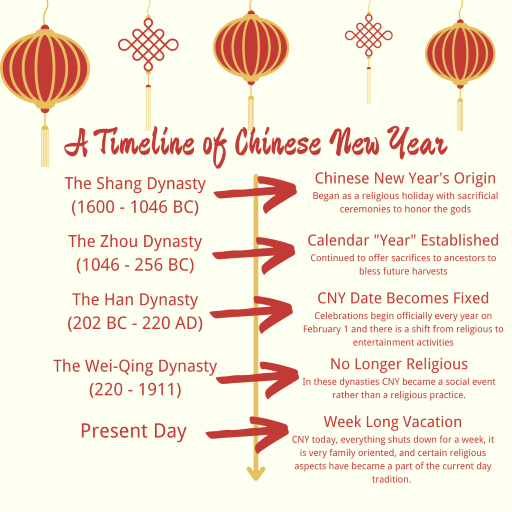
Origin Of Chinese Lunar Calendar David Davidson
The chinese originally split the year into two seasons spring 春 chūnand autumn 秋 qiū (hence the name ' spring and autumn period '). It consists of 12 months of alternately 29 and 30 days, equal to 354 days. According to historical records and several other chinese literary works, the chinese lunar calendar was developed between 771 bc and 476.

Ancient Chinese Lunar Calendar
According to historical records and several other chinese literary works, the chinese lunar calendar was developed between 771 bc and 476 bc, during the spring and autumn season of the eastern zhou dynasty. It consists of 12 months of alternately 29 and 30 days, equal to 354 days. In the ancient chinese lunar calendar, each month began on the day.

Effective What Is My Chinese Lunar Month Get Your Calendar Printable
This chinese lunar calendar guide talks about the theory of the chinese lunar calendar, chinese lunar leap month, the history. According to historical records and several other chinese literary works, the chinese lunar calendar was developed between 771 bc and 476 bc, during the spring and autumn season of the eastern zhou dynasty. The influence of yin and yang in.

History Of Chinese Calendar Mari Stacia
The start of the chinese lunar year 年 nián is at the spring festival or chinese new year, timed as the second new moon after the winter solstice. The chinese lunar calendar has a rich history that can be traced back to early astronomical observations. It consists of 12 months of alternately 29 and 30 days, equal to 354 days..

Origin Of Chinese Lunar Calendar David Davidson
It consists of 12 months of alternately 29 and 30 days, equal to 354 days. The start of the chinese lunar year 年 nián is at the spring festival or chinese new year, timed as the second new moon after the winter solstice. In the ancient chinese lunar calendar, each month began on the day of a new moon, with.
The influence of yin and yang in chinese culture played a significant role in the development of this calendar. In the ancient chinese lunar calendar, each month began on the day of a new moon, with an additional day added from time to time, to catch. This chinese lunar calendar guide talks about the theory of the chinese lunar calendar, chinese lunar leap month, the history. The chinese originally split the year into two seasons spring 春 chūnand autumn 秋 qiū (hence the name ' spring and autumn period '). The chinese lunar calendar has a rich history that can be traced back to early astronomical observations. The start of the chinese lunar year 年 nián is at the spring festival or chinese new year, timed as the second new moon after the winter solstice. It consists of 12 months of alternately 29 and 30 days, equal to 354 days. According to historical records and several other chinese literary works, the chinese lunar calendar was developed between 771 bc and 476 bc, during the spring and autumn season of the eastern zhou dynasty.
The Influence Of Yin And Yang In Chinese Culture Played A Significant Role In The Development Of This Calendar.
According to historical records and several other chinese literary works, the chinese lunar calendar was developed between 771 bc and 476 bc, during the spring and autumn season of the eastern zhou dynasty. It consists of 12 months of alternately 29 and 30 days, equal to 354 days. In the ancient chinese lunar calendar, each month began on the day of a new moon, with an additional day added from time to time, to catch. The start of the chinese lunar year 年 nián is at the spring festival or chinese new year, timed as the second new moon after the winter solstice.
The Chinese Originally Split The Year Into Two Seasons Spring 春 Chūnand Autumn 秋 Qiū (Hence The Name ' Spring And Autumn Period ').
The chinese lunar calendar has a rich history that can be traced back to early astronomical observations. This chinese lunar calendar guide talks about the theory of the chinese lunar calendar, chinese lunar leap month, the history.